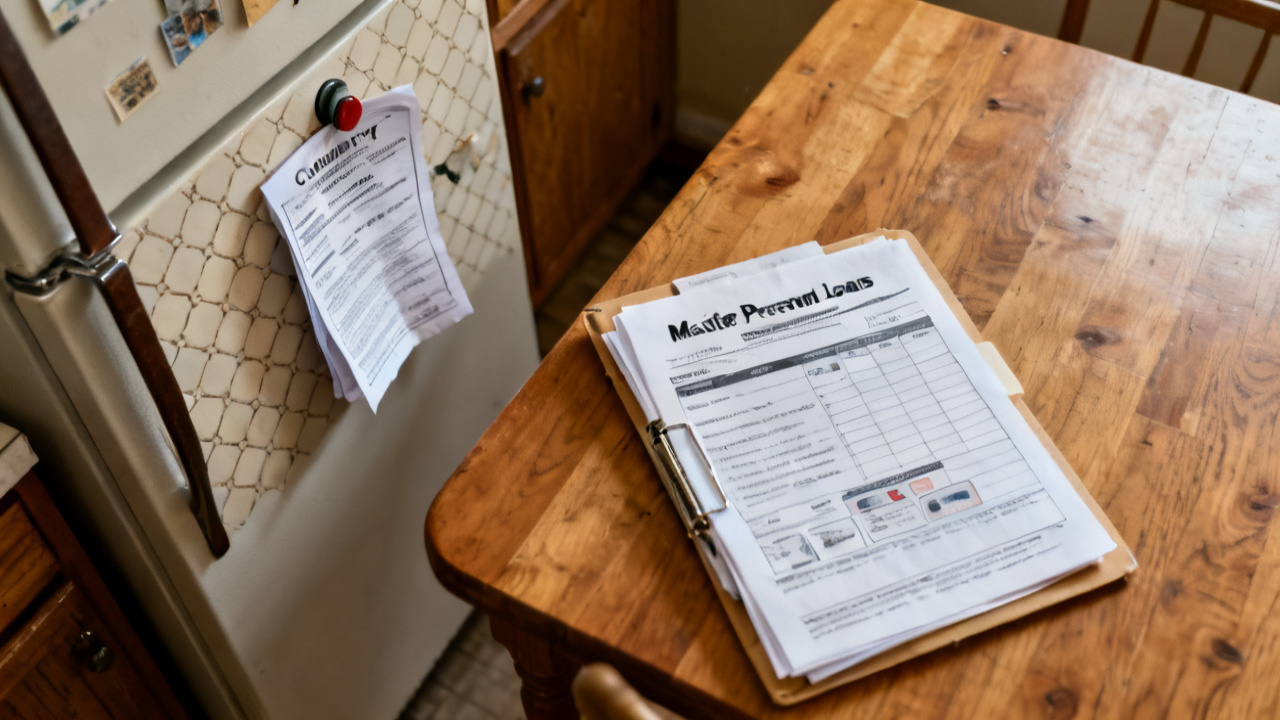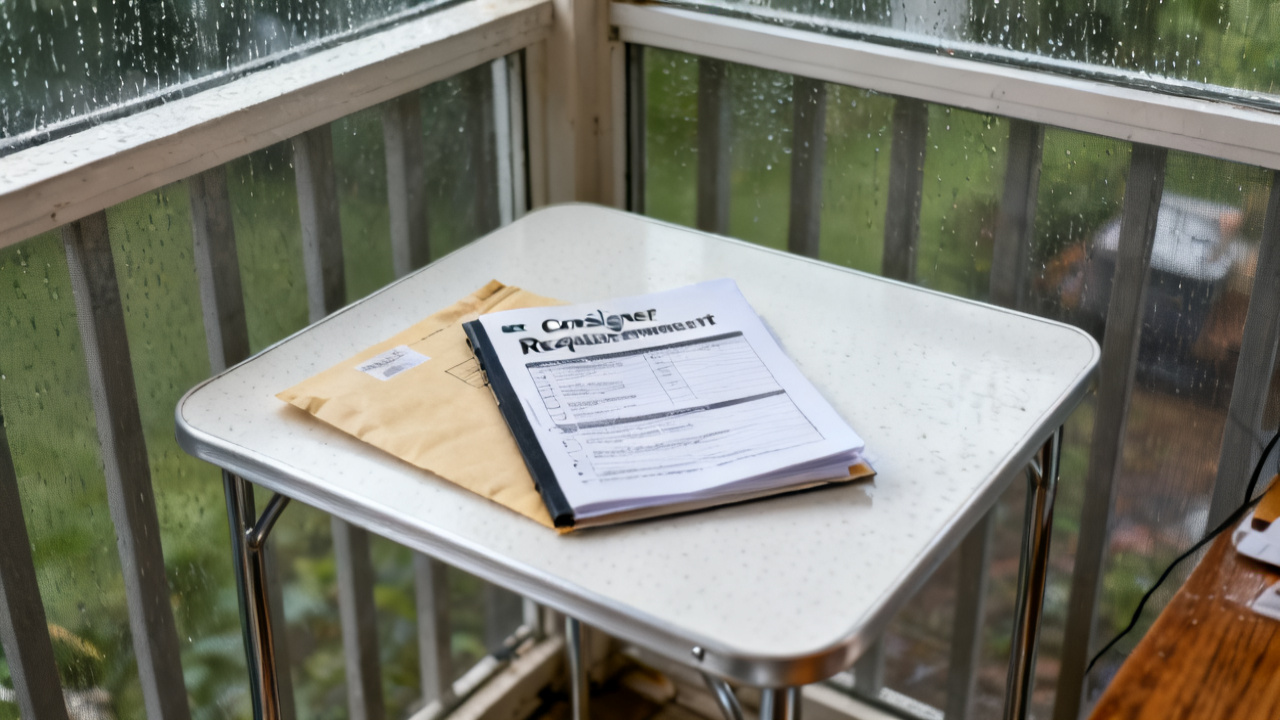
The escrow-absence identification card helps users flag missing escrow references in their unsecured note documentation. This process applies only to standard unsecured personal loans, structured settlement disbursement notes, and crypto gain/loss reporting notes that do not include tied property, collateral, or third-held payment reserves as part of their core terms. All guidance on this page is for organizational use only; you must confirm escrow eligibility and note terms with your loan servicer, tax preparer, or licensed financial professional before making any filing or payment decisions. The Settlement Desk provides only organizational templates, no legal or financial advice, per our terms of use.
Settlement Desk

Unsecured note form sections marked to omit escrow clause entries
For standard unsecured note templates, the three sections that typically have escrow clause entries you can mark for omission are the collateral valuation addendum, monthly payment breakdown schedule, and default remedy rider. When an unsecured note has no escrow requirement, these sections will not include any references to monthly impound collections for taxes, insurance, or third-party held reserves. You can cross-reference each section with your escrow-absence identification card to flag any accidental inclusions of escrow language that does not apply to your note terms. Many servicers use standardized template forms that default to including escrow clauses for secured products, so it is common to see erroneous escrow language in draft unsecured note copies that need to be corrected before final signing. Illustrative example: a $15,000 unsecured personal loan for home improvement will not have an escrow clause, even if the funds are used for property updates, because the note is not tied to a lien on the property. If you see escrow language in this type of note, you can request the servicer remove the clause before you sign the final document.
Escrow-absence identification card input slots for cross-referencing note lines
The card includes pre-defined input slots aligned with standard unsecured note formatting, so you can systematically review each section for missing or incorrectly added escrow language. The table below outlines the core input slots and corresponding verification steps for all note types:
| Input Slot ID | Note Line Reference | Input Description | Verification Checkbox |
|---|---|---|---|
| 1 | Line 3.2 (Monthly Payment Breakdown) | Confirm no line item for escrow impound withholding is listed in the fixed monthly payment total | [ ] |
| 2 | Line 7.1 (Default Remedy Provisions) | Confirm no reference to escrow fund seizure is listed as a first remedy for missed or late payments | [ ] |
| 3 | Addendum B (Collateral Disclosures) | Confirm no section links the outstanding note balance to an escrow-held property, asset, or cash reserve | [ ] |
| 4 | Signature Page Footer Disclosures | Confirm no fine print references mandatory escrow setup within 90 days of note origination | [ ] |
| 5 | Payoff Quote Addendum | Confirm no escrow balance adjustment is listed in the final payoff calculation for early or scheduled payoff | [ ] |
Each input slot on the card corresponds to a mandatory review point required for most state-level unsecured note filings, so you can use completed cards as supporting documentation when submitting note copies to your servicer or tax preparer. Do not alter input slot labels, as they are aligned with standard Fannie Mae and IRS note classification requirements for unsecured credit products. If you encounter a note section that is not listed on the card but includes escrow language, add a handwritten or typed note in the additional comments section of the card to document the discrepancy, then follow up with your note issuer to request clarification or correction.

Document storage folder tabs for sorting notes with no escrow disclosures
Organizing your unsecured notes by escrow status reduces misclassification risk during tax filing, loan applications, or servicer audits. First, split your physical and digital folder sets into three core categories: active unsecured notes, paid-off unsecured notes, and pending note amendment requests. Each category gets a dedicated top-level tab for escrow-free notes, with optional sub-tabs for personal loan notes, structured settlement payment notes, and crypto gain/loss reporting notes based on your portfolio. For physical folders, use colored tab dividers: blue for escrow-free active notes, yellow for escrow-free paid-off notes, and orange for escrow-free amendment requests, so you can quickly pull the correct file during audits or servicer inquiries. For digital folders, add a standardized file naming convention: [Note Origination Year]_[Note Type]_[EscrowFree]_[Last 4 of Account Number], so you can sort and filter files in seconds without opening each document. Store a hard copy of your completed escrow-absence identification card in the front of each physical folder, and a scanned copy in the corresponding digital folder, so you do not have to cross-reference multiple locations during reviews. If you share your files with a tax preparer or financial advisor, you can send only the escrow-free tab contents to avoid sharing unrelated secured note information, which reduces the risk of misclassification during filing. Illustrative example: a 2022 unsecured personal loan with no escrow would be named 2022_PersonalLoan_EscrowFree_1234 for digital storage, and placed in the blue active escrow-free tab of your personal loan folder set.
Verification request letter attachments listing excluded escrow note provisions
When you need to send a verification request to your note servicer, preparer, or annuity issuer to confirm your note is escrow-free, include a one-page attachment listing all excluded escrow provisions that do not apply to your note terms. The attachment should reference the line numbers from your original note, the input slot IDs from your escrow-absence identification card, and a short note confirming you have found no escrow language in the listed sections. You do not need to include full copies of the note with the request, just the attachment and a copy of your completed identification card, unless the servicer specifically asks for full note documentation. Always send verification requests via certified mail or tracked digital portal, so you have a record of submission for your files. If you receive a confirmation that your note is escrow-free, add a copy of that confirmation to your corresponding folder and update your tracking spreadsheet within three business days. Note that this page cannot validate your request or confirm your note terms; all verification decisions are made exclusively by your note issuer or servicer.
Spreadsheet tracking column entries for confirmed escrow-free unsecured notes
If you maintain a spreadsheet to track all your active and paid-off notes, add six dedicated columns for escrow-free status tracking to align with your identification card records. The columns should include: note account number (last 4 digits only), escrow-absence card completion date, servicer verification confirmation date, note origination date, note final payoff date (if applicable), and cross-reference folder location. Update the spreadsheet within three business days of completing an identification card or receiving a verification confirmation from your servicer, so your records stay current. You can link each spreadsheet row to the digital copy of your note and completed identification card for quick access during tax filing or loan application processes. If you have more than 10 unsecured notes, you can add a filter for escrow-free status to generate a quick report of all applicable notes for annual review or audit requests. Illustrative example: if you receive a servicer verification confirmation on October 12, 2024 for a 2023 unsecured personal loan, you would enter that date in the corresponding column and link the row to the digital folder holding the note and card. You do not need to include any sensitive personal information like full social security numbers or full account numbers in the spreadsheet, use only the last four digits of account numbers to reduce identity theft risk if the file is accessed by an unauthorized party.
Next action: Pull your most recent active unsecured note, complete the first three input slots on the escrow-absence identification card, and file a copy of the partially completed card in your active notes folder by the end of the week.