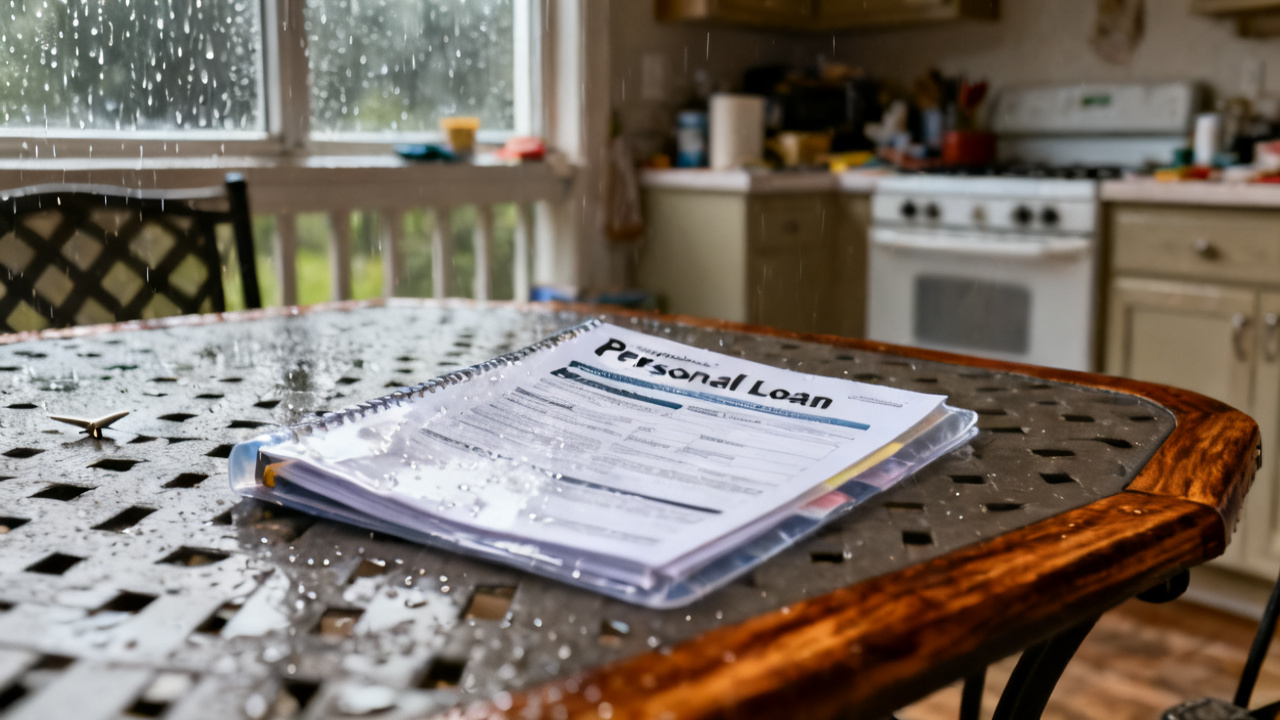
This personal loan coupon calendar card outlines date distinctions to help borrowers avoid late payment penalties. Many borrowers mix up these two distinct, non-interchangeable dates, leading to accidental late fees, negative credit reporting, or unwanted interest accrual on remaining principal. This reference document is formatted to align with standard personal-loan coupon book layouts, so you can cross-reference entries directly with materials sent by your loan servicer. For official clarifications specific to your loan agreement, contact your servicer directly, or consult a licensed financial professional if you need support adjusting your payment schedule.
Coupon leftmost column listing official monthly personal loan statement closing date entries
The leftmost column of every standard personal loan coupon is pre-printed with the statement closing date for each billing cycle, often printed in dark, bold font to distinguish it from other dates on the coupon. This date marks the official end of the 30 or 31-day billing period, where any applicable fees (such as late fees from the prior month, returned payment fees, or accrued interest) are added to your outstanding principal balance, and the minimum required payment amount for the upcoming cycle is finalized. You can cross-verify this date against the monthly digital or paper statement you receive from your servicer to ensure there are no discrepancies in billing cycle timelines that could lead to overpayment or underpayment. If you have arranged for recurring automatic payments, the closing date is the hard cutoff for any manual extra principal payments you make to be applied to the current cycle’s balance before the next minimum payment is drafted. Payments submitted after the closing date will still be applied to your total balance, but they will not reduce the minimum required payment for the upcoming cycle, and will be reflected on the following month’s statement instead.

Calendar card top box marking verified personal loan monthly payment due date thresholds
The top right corner of every detachable coupon includes a clearly marked payment due date, which is the final date your servicer must receive your minimum required payment (or full payoff amount, if you choose to settle the remaining balance early) without assessing a late fee or reporting a late payment to the three major credit bureaus. While many servicers offer a discretionary 1 to 3 day grace period after this date for payments to post before penalties are applied, this is not a universal policy, so you should confirm grace period terms directly in your signed loan agreement or with your servicer’s customer support team. This date is typically set 14 to 25 days after the statement closing date, giving you a sufficient window to review your itemized statement and arrange for payment before the cutoff. Illustrative example: If your statement closing date is the 5th of the month, your due date may fall on the 23rd of the same month, giving you 18 days to submit payment without penalty. Payments received after the due date, even if they were initiated before the due date, may still be considered late if they do not post to your account before the servicer’s daily cutoff time, which is often 5PM local time or 5PM Eastern Time for national servicers.
Printed schedule section highlighting gaps between closing and due date processing windows
The middle section of most personal loan coupon books includes a printed, full-year schedule that lists every cycle’s closing date, due date, and minimum payment amount for the full term of your loan. The gap between the closing date and due date, referred to as the processing window, exists to allow servicers to finalize statement calculations, mail or deliver digital statements to borrowers, and process any prior payments that may have been submitted near the end of the last billing cycle. The sample calendar card tracking table below can be printed and taped to the front of your coupon book for quick, at-a-glance reference:
| Billing Cycle Reference | Statement Closing Date | Payment Due Date | Processing Window Length | Notes Field |
|---|---|---|---|---|
| Cycle 1 (Jan 2024) | 01/05/2024 | 01/23/2024 | 18 days | No extra payments submitted this cycle; minimum payment posted 01/22/2024 |
| Cycle 2 (Feb 2024) | 02/05/2024 | 02/22/2024 | 17 days | $150 extra principal paid 02/10/2024, applied to current cycle balance to reduce accrued interest |
| Cycle 3 (Mar 2024) | 03/05/2024 | 03/25/2024 | 20 days | Automatic payment drafted 03/24/2024, posted same day; no extra payments submitted |
| Cycle 4 (Apr 2024) | 04/05/2024 | 04/23/2024 | 18 days | $200 extra principal scheduled for 04/10/2024; minimum payment set to draft 04/22/2024 |
| Cycle 5 (May 2024) | 05/05/2024 | 05/23/2024 | 18 days | No payment scheduled yet; reminder to confirm bank account balance by 05/20/2024 |
It is critical to note that payments submitted after the closing date but before the due date will still count as on-time for the current billing cycle, but will not be reflected on the most recent printed statement. If you submit a payment during this window, save a copy of the payment confirmation for your records to cross-reference with your next month’s statement. You can store copies of your payment confirmations alongside this tracking document in your Settlement Desk personal loan file folder for easy reference if billing disputes arise.

Backside note field for logging custom payment reminders tied to both critical dates
The unprinted back of each individual personal loan coupon includes a blank note field that you can use to log custom reminders relevant to both the closing date and due date for each cycle. Common reminders include notes about extra principal payments you plan to submit before the closing date to reduce your next minimum payment amount, alerts for when automatic payments are scheduled to draft from your bank account, or reminders to contact your servicer if you anticipate needing to request a temporary payment arrangement for a specific cycle. You can also use this field to log confirmation numbers for payments submitted during the processing window, so you do not have to search through email or bank records to verify payment if a discrepancy appears on your next statement. If you share payment responsibilities with a partner, family member, or other co-borrower, you can use this field to note who is responsible for submitting payment for a given cycle, to avoid duplicate payments or missed payments that could lead to penalties. You can also use this space to log any changes to your due date that you negotiate with your servicer, so you do not accidentally use the old pre-printed due date for future cycles.
Perforated tear-off form for tracking three consecutive months of both date types
Most personal loan coupon books include a perforated tear-off form at the very front of the book that you can separate and keep in your wallet, on your fridge, or at your work desk to track the closing and due dates for the next three consecutive billing cycles. This form is designed to be filled out as soon as you receive your updated loan agreement or first coupon book, so you do not have to flip through the full coupon book every month to check upcoming dates. You can also use this form to track when payments post to your account, so you can identify any consistent delays in payment processing that may require you to submit payments a few days earlier each month to avoid late fees. If you lose your physical coupon book, you can transfer the dates logged on this tear-off form to a new printed calendar while you wait for a replacement coupon book from your servicer. This form is also useful if you need to provide proof of upcoming payment dates to a credit counselor or financial coach, as it contains official, verified dates directly from your servicer’s coupon book.
Before your next billing cycle starts, cross-reference the closing and due dates listed on your first printed coupon with the terms in your signed loan agreement to confirm no date discrepancies exist.