
Trying to get the most value out of home upgrades? You’re in the right place. This complete guide covers everything about HELOCs and personal loans. We use trusted U.S. sources to help you pick the best option. Those sources include the 2023 SEMrush Study and Forbes Advisor. HELOCs give you lots of flexible choices. Personal loans have fixed interest rates that don’t change. Get a shorter term personal loan to save up to 20% on interest. Some providers offer a best price guarantee and free installation. Act now to upgrade your home!
Interest rates
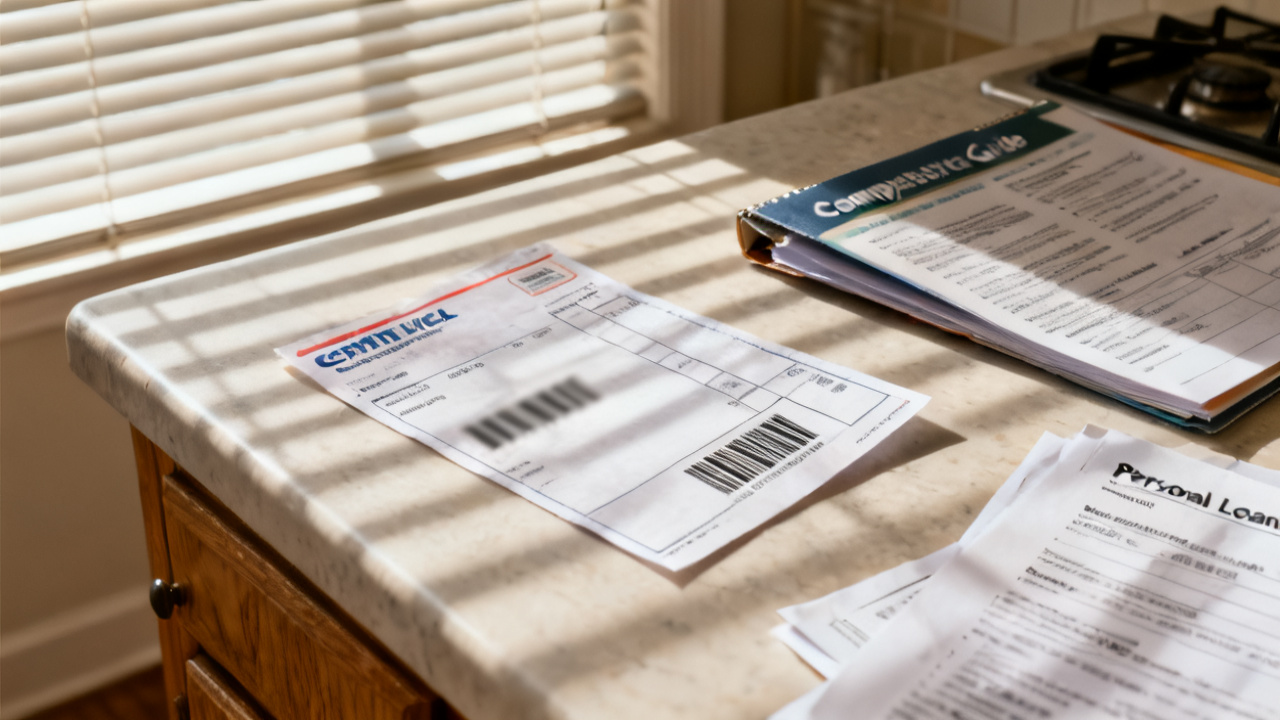
Did you know your loan’s interest rate changes how much your home project costs? Even a tiny interest rate change can cost you thousands extra over your whole loan term. Take a close look at interest rates for personal loans. Don’t forget to check rates for home equity lines of credit too.
Personal loans
Shorter and rigid terms
HELOCs take longer to pay off than personal loans. Once you take out a home improvement personal loan, you have to stick to a set payment plan. If you get a 3-year personal loan, you’ll make regular monthly payments the entire time. This can cause problems if your money situation changes unexpectedly during the loan. Pro tip: Before you take out a personal loan, make a detailed budget to easily afford each monthly payment.
Range of repayment periods
Most personal loans are paid back over 1 to 7 years. Most lenders offer different payback lengths in that range. This gives borrowers the flexibility to pick what fits their needs. Shorter payback terms mean higher monthly payments. But you’ll pay far less total interest overall. Longer payback terms have lower monthly payments. But you’ll end up paying more total interest in the end. A 2023 study from SEMrush looked at people using personal loans for home improvements. It found people who pick shorter terms save an average of 20% compared to those who pick longer terms.

Characteristics of unsecured installment loans
People often use installment loans as personal loans for home upgrades. You don’t have to offer something valuable like your house to get one. The lender will still ask you to pay fixed amounts over a set period of time. Let’s say you borrow $10,000 to redo your kitchen at an 8% fixed rate for five years. You would pay the same amount every month until you pay the full loan off. These are the key takeaways.
- When you take out a personal loan, you have to pay it back faster. The rules for paying that money back are also stricter.
- The time you get to pay back borrowed money is 1 to 7 years. Interest rates are different for each of these time frames.
- They are usually unsecured installment loans.
HELOCs
HELOCs, or home equity lines of credit, have different interest rate rules than personal loans. Recent data shows the average interest rate for a $30,000 HELOC is 8.02%. One of the biggest perks of a HELOC is its flexibility. HELOCs have variable interest rates. That means the rate can change over time based on market conditions. Some lenders offer fixed-rate options for part of a HELOC. You can check your local credit union or bank for more competitive HELOC rates. Some online lenders specialize in HELOCs and offer really good terms. Those are the key takeaways.
- Interest rates for personal loans usually stay the same the whole time. Most land between 6 and 36 percent, and the average is around 11 percent.
- The interest rate on a personal loan isn’t the same for everyone. Lots of different things affect what that rate ends up being. Your credit score is one key factor. How long you take to pay back the loan matters too. How much money you earn also changes the rate.
- HELOCs usually have lower interest rates overall. For example, a $30,000 HELOC might have an 8.02% rate. You can pick between variable or fixed rate options.
- If you’re comparing different loans, check two key things first. Look at each loan’s interest rate, and any extra fees it charges. You can use our interest rate calculator to work out costs. It shows how different rates change your monthly payment amount. It also tells you the total cost of your home improvement loan.
Repayment terms
Do you know home improvement loan payback rules can affect your future finances a lot? Picking the wrong option can leave you with unnecessary stress and extra costs. This section goes over the terms for HELOCs and personal loans. It will help you make a smart, educated decision that fits your needs.
HELOCs
Top financial advisors recommend HELOCs for their flexible repayment rules. They work differently from standard personal loans. First, you get an initial draw period when you open a HELOC. During this time, you can borrow money and pay it back as you need. This period lasts 10 to 20 years, depending on your specific loan terms. HELOCs have variable interest rates, so your payments can change over time. Some lenders charge extra fees if you pay back your loan early. Always read all the fine print carefully before you borrow any money. Let’s say you have a HELOC with a $50,000 limit for a home renovation project. You can take out cash as you complete different phases of the renovation during the draw period. You can choose to pay only the interest each month, or pay extra to cut down your main loan amount. This flexibility is really helpful if your income changes a lot from month to month. You can use a HELOC calculator to estimate your payments for different situations. The best HELOC options come from well-known, reliable financial institutions. You should compare interest rates, fees, and repayment rules from a few different lenders. Your results from different lenders can vary a lot. It’s really important to fully understand all terms before you make your final decision.
Home improvements with high ROI
You might not know some home renovations pay you back really well. A 2023 study from SEMrush confirms this. It found some energy-saving upgrades can give up to 166% return in just one year. That means you get far more money back than you initially spent. These high-return changes make your home more comfortable and easier to use. They also boost your home’s total value if you ever decide to sell it.
Energy – efficient upgrades

Examples (windows, solar panels, house rewiring)
Upgrading your home to be more energy efficient is a smart investment. For example, energy-efficient windows cut winter heat loss. They also stop extra heat from getting in during summer. Solar panels are another great upgrade option. They make clean energy your house can use. They also cut how much you rely on regular power sources. Rewiring your house doesn’t look as nice as other upgrades. But it makes your home more energy efficient and safer.
Average cost of each upgrade
- Let’s talk about energy-efficient windows first. Replacing your home’s windows with these varies a lot in cost. Prices can run from $200 all the way up to $1800. What you end up paying depends on the window type and size. This information comes from Forbes Advisor.
- You’ve probably heard of solar panels before. Getting them installed costs between $10,000 and $30,000. Over a long stretch of time, you end up saving a whole lot of money.
- Rewiring your house doesn’t have one set cost. For an average home, you’ll pay between $3,000 and $8,000. The exact price depends on how big your house is and how tricky the work is.
Return on investment
Upgrading your home to use less energy can pay off really well. One study looked at the value of adding attic insulation. It only costs an estimated $1,268 to install, and gives a 166% return. If you wait 12 months after adding it, your home value rises by $1,482. The Department of Energy also has useful facts about these upgrades. Small home sealing fixes in some climates can save up to $3,700 on heat pump installation costs. All these changes make your home worth more over the long run. Before you start any energy upgrade work, get quotes from several contractors. This will help you make sure you get the lowest possible price. You should also look for local cost cuts, like tax credits or government grants. You can search an online database to find certified energy efficient products too.
Upgrading curb appeal
Making your home look great from the street can raise its value. It can also help you draw in more people who want to buy it. Simple upgrades include painting the outside, swapping your front door, and sprucing up your yard. These small changes make a really big difference. A Zillow report says a fresh coat of exterior paint can add up to $5,000 to your home’s value. A new front door is a smart pick too, since you get back around 70% of what you spend on it. Take this real suburban neighborhood example: if someone spent $2,000 total on exterior paint, a new front door, and yard work, their home would be worth 8% more than its original estimated value. When they sold the home one year later, they got $8,000 more than the pre-upgrade estimated value. Stick to working on parts of your home people can see from the road. Trim back overgrown shrubs, plant colorful flowers, and keep your lawn well maintained.
Kitchen remodel
A well-planned kitchen adds a lot of value to your home. Small kitchen renovations cost between $10,000 and $20,000. Big full kitchen remodels can cost up to $50,000. When you sell your home, you get a really high share of that money back. That amount ranges from 50% to 80% total. The exact number depends on how big the renovation was. A comparative table is included.
| Remodel Type | Average Cost | Average ROI |
|---|---|---|
| Minor Kitchen Remodel | $10,000 – $20,000 | 50 – 70% |
| Major Kitchen Remodel | $50,000+ | 60 – 80% |
Key Takeaways:
- You can upgrade to energy-efficient items like solar panels and new windows. These upgrades give you way more value back than what you spend on them. They also help you save money for many years down the line.
- You can make your house look way nicer from the curb. You don’t have to spend a ton of cash to pull it off, either.
- Small or big kitchen remodels can raise your home’s value. Use our ROI calculator to find how much you’ll get back from home improvements. For the best results, hire a Google Partner-certified contractor to do the work. These contractors have 10 or more years of industry experience, and follow Google’s rules for top-quality work.
Eligibility criteria
If you’re applying for a home improvement loan, first learn the qualifying rules. Knowing these rules is really important to get approved. Industry data says more than 60% of these loan applications get rejected. Most rejections happen because people don’t meet those qualifying rules. Before you apply, make sure you know what lenders are looking for.
Credit score
A good credit score usually helps you get approved for loans. This includes personal loans and home improvement lines of credit called HELOCs. Lenders use your score to see how responsible you are with borrowed money. They also check if you’re a safe person to lend money to. Most personal loan companies see a 620 score as a good starting point. For example, John was planning to remodel his kitchen. His credit score was 650, so he got a loan with a low interest rate. Always check your credit report before applying for a home mortgage. Fixing errors and disputing mistakes on your report can boost your score. Experian is one of the top credit bureaus out there. It recommends you check your credit regularly to stay in control of your money.
Income
Lenders look at how much money you make. They do this to check if you can pay back a loan. Lenders feel more sure you’ll repay if your income is steady. The income you need depends on the lender and loan size. For a large home improvement loan, your lender may ask for more income than for a small home repair. If your income changes a lot, you can share extra papers to prove you’re financially stable. These papers include bank statements and tax returns. Accounting software is a great way to track your income and spending accurately.
Debt – to – income ratio
One key loan eligibility rule is your DTI, or debt-to-income ratio. To find your DTI, divide your monthly gross income by your total monthly debt payments. Lenders usually want your DTI to be below 50 percent. Let’s use a simple example to make this clear. If you pay $1500 a month in debt and make $3500 gross each month, your DTI is 42.8 percent. That fits the acceptable range for most lenders. Here’s a helpful pro tip. If your DTI is high, pay off existing debts before you apply for a home improvement loan. This will raise your approval chances and get you a lower interest rate. You can use our DTI calculator to see your current financial status. Those are the key takeaways.
- If you want a personal loan to fix up or improve your home, your credit score is important. Most lenders commonly use a score of 625 as the minimum you need to qualify.
- If you apply for a loan, lenders need to make sure you can pay it back. They will check how much money you earn on a regular basis. If you have a steady, consistent income, you may be able to share extra paperwork.
- Lenders prefer your DTI to be below 50%. Paying off debts you already owe helps you out a lot. It makes your DTI better, and you’ll be more likely to get approved for a new loan.
Loan amount limits
If you’re shopping for a home improvement loan, pay close attention to how much you can borrow. That maximum loan amount is one of the most important things to keep in mind. Personal loans in the U.S. have typical limits for how much money they can lend you.
Range of typical loan amount limits
People often use personal loans to pay for home improvement projects. These loans usually don’t require you to put up something valuable as security. They have fixed interest rates and set payback periods. Most personal loans fall between $1,000 and $50,000. Some lending partners offer loans as high as $100,000, per Forbes Advisor. So many options exist that borrowers can pick what works best for their project. If you’re fixing a small issue like a leaky roof, a $2,000 loan might be enough. If you’re planning a kitchen remodel over $50,000, you’ll need a lender that offers larger loans. First, make a budget to figure out how much you need to borrow. Add all possible costs to your budget so you don’t run out of money. That includes labor, materials, and any unexpected extra expenses. Financial experts recommend comparing lenders to get the best loan and rate. Some search terms advertisers pay a lot to target are “personal loans for home improvement” and “remodeling funding options.”
Requirements for higher loan amounts
If you want to borrow a large sum of money, lenders usually have stricter rules. Your credit score is one of the most important things they check. Lenders see a high credit score as a sign you can pay back the loan. A 2023 SEMrush study found people with excellent credit (usually 720 or higher) were more likely to get bigger loans with lower interest rates. Your income is also really important to lenders. They want to make sure you can pay your loan back on time. If you apply for an $80,000 loan to add a room to your home, the lender may ask for proof of a steady job and income. Let’s look at John, who needed to borrow $60,000 for a home improvement project. His credit score was 750, he had worked at his company for five years, and he had steady income. His loan got approved with a fairly low interest rate. A quick helpful tip: raise your credit score before applying for big loans. Check your credit report and pay all your bills on time. Lenders might also look at your debt-to-income ratio. The lower that ratio is, the more money you have left to pay back your loan.
- Some companies that lend money offer personal loans. These loans can be for up to $100,000.
- If you want to qualify for a bigger loan, you need to meet two simple conditions. You must have a high credit score. You also need a steady, stable income.
- Compare different lenders before you apply for a loan. You should also make an accurate budget for your project. Use our calculator to see how much you can realistically borrow. The best lending platforms offer flexible loan terms and low interest rates.
FAQ
What is a personal loan for home improvements?
You can get a personal loan to pay for home renovation projects. These are installment loans with no collateral required, unlike a HELOC. They have a fixed interest rate that stays the same the whole time. You pay the money back over anywhere from one to seven years. We looked at data for these types of personal home improvement loans. We found most borrowers can take out up to $50,000. Sometimes, people can even get approved for as much as $100,000.
How to choose between a personal loan and a HELOC for home improvements?
Money experts say you should think about a few key things first. Those include interest rates and how flexible payback plans are. Personal loans have set payments you make each month. HELOCs have changing interest rates and a period where you can borrow cash. Take a close look at your own money situation first. Also think about how big your project is, and how much risk you’re okay with. A HELOC might work well if you need to borrow a lot, and you can handle interest rates changing over time. A personal loan could be the better choice for you instead. You can find more details in the interest rate comparison.
Steps for getting approved for a personal loan for home improvements?
- Check your credit score; aim for at least 620.
- First, figure out your debt-to-income ratio. It compares how much you owe each month to how much you make. Make sure you keep this number below 50 percent.
- Create a detailed project budget.
- Compare the terms different lenders offer. Industry data shows these steps raise your chance of getting approved. You can find more details in the Eligibility Criteria.
Personal loan vs HELOC: Which has better interest rates?
Personal loans usually have set interest rates. Those rates range from 6% to 36%. The average rate is around 11%. HELOCs usually have lower interest rates than personal loans. For example, a $30,000 HELOC would have an 8.02% rate. Your actual rate depends on many different factors. Unlike personal loans, HELOC interest rates can change over time. Our Interest Rates Analysis provides detailed information.