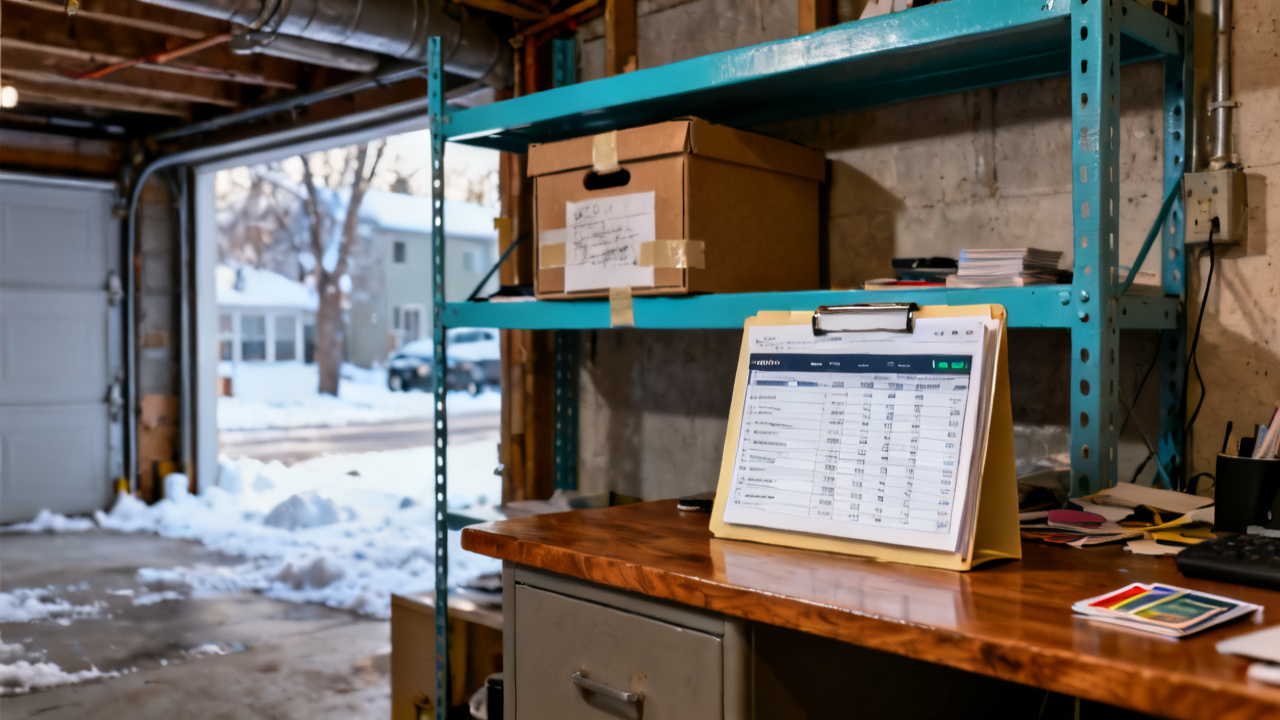
This official lost-access memo card stores verified crypto wallet details for recovery and asset validation. It is designed to be filled out immediately when you lose seed phrase access, hardware wallet functionality, or exchange-linked wallet login credentials to create a verifiable paper trail for asset claims, tax reporting, or structured settlement collateral verification. You should complete all sections using only confirmed, verifiable data, no estimates or guesses, to avoid delays in any future recovery or processing requests. The Settlement Desk may accept a fully executed copy of this memo as supporting documentation for certain structured settlement review requests, as long as it is accompanied by other required verification materials as outlined by your servicer.
Memo card date column
The memo card date column is a standardized tracking field to log all critical timestamps related to your wallet access loss, eliminating ambiguity for any third party reviewing the document at a later date. All entries must be recorded in MM/DD/YYYY format, with no shorthand month abbreviations, to avoid cross-region date interpretation errors. The first required entry is the date you formally confirmed access is irrecoverable via standard methods: this is not the first date you noticed an issue logging in, but the date you completed all standard recovery steps (including testing all backed-up seed phrase variations, submitting support tickets to custodial providers, and verifying you do not have alternate access credentials stored elsewhere) and confirmed you cannot regain access on your own. Next, log the date you complete all sections of this memo, the date you have the memo witnessed (if applicable), the date you submit a copy to any licensed professional or servicer, and the date you receive written confirmation of receipt from any party you submit the memo to. If you later recover partial access or file a formal recovery claim with a wallet provider or exchange, add additional rows to the date column to log those events, with a short 1-2 word descriptor next to each date for context. You may also add a timestamp for when you cross-reference the memo with your annual tax filings to align asset reporting with your official tax records.

Wallet label entry box
The wallet label entry box is a dedicated field to standardize the wallet’s unique identifiers, so all parties referencing the memo are aligned on which wallet is being documented, even if you hold multiple crypto wallets across different networks and providers. First, enter the full, untruncated public wallet address for non-custodial wallets, or the full account number and associated public addresses for custodial exchange wallets, double-checking each character to avoid typos that could invalidate verification. Next, add a specific, unique custom label for the wallet that you have consistently used across your personal records, tax documents, and asset tracking spreadsheets: avoid vague labels like “my main wallet” or “cold storage” that could be confused with other wallets you hold, and instead use labels like “2021 Ledger Nano S long-term cold storage wallet” or “Coinbase custodial spot trading account opened 2022”. Include the wallet type (hardware, non-custodial software, custodial exchange, multi-signature) and the full list of networks the wallet supports or is active on (Bitcoin, Ethereum, Solana, Polygon, etc.). If you maintain physical copies of the memo, you may print a scannable QR code of the wallet’s public address and affix it to the entry box section to simplify block explorer verification for future reviewers. You should also note any additional access controls that were active on the wallet at the time access was lost, such as 2-factor authentication requirements, multi-signature signatory thresholds, or custodial account recovery questions that you are no longer able to answer.
Held asset inventory form
The held asset inventory form is the core record of all assets held in the wallet as of your last confirmed successful access, with all entries cross-referenced to verifiable supporting documentation to validate your holdings. Do not include any assets you transferred out of the wallet after your last successful login, and do not add estimated balances that you cannot confirm with a formal record. The table below outlines the required fields for each asset, with illustrative example entries for reference:
| Asset Ticker | Full Asset Name | Confirmed Balance as of Last Successful Access | Last Known Block Height for Balance Confirmation | Supporting Verification Attachment ID |
|---|---|---|---|---|
| BTC | Bitcoin | Illustrative example: 0.124 | 789234 | ATT-2024-WALLET-001 |
| ETH | Ethereum | Illustrative example: 2.37 | 1928456 | ATT-2024-WALLET-002 |
| USDC | USD Coin (Ethereum Network) | Illustrative example: 1420.00 | 1928456 | ATT-2024-WALLET-002 |
| SOL | Solana | Illustrative example: 15.82 | 240391 | ATT-2024-WALLET-003 |
| MATIC | Polygon | Illustrative example: 128.45 | 5098271 | ATT-2024-WALLET-004 |
Supporting attachments can include a timestamped screenshot of your last successful login showing the full balance, a public block explorer export of the wallet’s balance at the listed block height, a full transaction history export from the wallet provider ending at the last successful access date, or a formal tax document that lists the wallet’s holdings as of the relevant date. Each attachment should be labeled with the matching attachment ID listed in the table, and stored with your copy of the memo for easy reference. If the wallet holds non-fungible tokens (NFTs), you may add a separate supplementary list below the table that includes each NFT’s collection name, unique token ID, proof of ownership at the last access date, and associated attachment ID. For multi-network wallets, be sure to note which network each asset is issued on to avoid conflating identical tickers across different chains.

Signature attestation note
The signature attestation note is a formal sworn statement that confirms all information included in the memo is accurate and complete to the best of your knowledge, which is required for the memo to be accepted as supporting documentation by licensed professionals, servicers, or recovery providers. The standard attestation language you should use is as follows: “I, [your full legal name], attest that all information contained in this lost-access memo is complete and accurate, that I have irrecoverably lost access to the wallet described above as of the date listed in the memo card date column, that I have not transferred, sold, gifted, or otherwise disposed of any assets listed in the held asset inventory form after the date of last successful access, and that I understand falsifying this information may lead to penalties for misrepresentation to any party relying on this document.” Below this statement, include lines for your printed full legal name, handwritten signature (for physical copies) or verified digital signature (for encrypted digital copies), and the date you sign the attestation. If you are submitting the memo to a third party, they may require a witness signature: add lines for the witness’s printed full legal name, signature, and date of signing, with a note that the witness is confirming they observed you sign the attestation and that you are the individual named in the memo. You should only sign the attestation once you have double-checked all entries in the memo and confirmed all supporting attachments are saved and accessible.
Recovery contact reference folder
The recovery contact reference folder is a separate organized storage system for all supporting materials and contact information related to your lost wallet access, which you should maintain alongside your completed memo. Store at least one physical copy of the folder in a secure, fireproof location, and one encrypted digital copy in a cloud storage service that you have confirmed continuous access to, so you can retrieve the materials at any time. The folder should include full contact information for your licensed crypto tax preparer, the support team contact details for your wallet provider or custodial exchange, the contact information for your structured settlement servicer if you are submitting the memo for collateral verification, and contact details for any reputable, licensed wallet recovery services you choose to engage (always verify a recovery service’s credentials before sharing any personal or wallet information with them). Also include full copies of all supporting attachments referenced in the held asset inventory form, a copy of any support tickets you submitted to your wallet provider, and a copy of your government-issued photo ID to validate your identity when making recovery or verification requests. You may also share a redacted copy of the folder with a trusted authorized representative who can access the materials on your behalf if you are unable to do so in the future.
The immediate practical next step is to complete the memo card date column and wallet label entry box with your verified wallet details within 72 hours of confirming you cannot recover access, to create a timestamped, official record of your access loss event.
Filed by the Settlement Desk.