Paperwork teams cross-reference same-day trade entries to validate accurate recordkeeping for annual tax reporting requirements, and when a user executes a buy and sell of the same asset within a single calendar day, standard formatting requires these two transactions to be logged as separate, adjacent rows on a single tracking sheet to avoid misclassification of holding periods or cost basis errors. This structure eliminates the risk of merged entries being flagged during third-party audits or tax filing reviews, and creates a clear audit trail that can be verified against exchange confirmations, monthly account statements, and payment receipts. All guidance on this page applies to personal crypto gain and loss recordkeeping, and does not constitute tax or legal advice; users should consult a licensed tax preparer for questions specific to their reporting jurisdiction and filing status.
Settlement Desk

Header label box placement guidelines for same-day two-row record sheets
All same-day two-row trade sheets must have three dedicated header label boxes placed in the top 1 inch of the sheet, left-aligned with no overlapping text or graphics. The first box spans the first three columns of the sheet, labeled “Trade Date (MM/DD/YYYY)”, with the exact calendar date of the buy and sell transactions printed in bold, 12-point font to ensure it is immediately visible to anyone reviewing the sheet. The second box spans columns four through six, labeled “Asset Class”, with the specific asset category (e.g. Bitcoin, Ethereum, publicly traded stock) listed to avoid cross-asset entry confusion. The third box spans columns seven through nine, labeled “Same-Day Pair ID”, with a unique alphanumeric identifier assigned exclusively to that single buy-sell pair to distinguish it from other same-day trades executed on the same date for the same or different assets. Settlement Desk record templates pre-format these header boxes to reduce manual formatting errors, but users with custom sheets can adjust box sizing as long as all three label fields are clearly visible and unobscured by trade data. For digital spreadsheets, these header rows should be frozen in place so they remain visible when scrolling through multiple trade pairs logged on the same monthly sheet.
Trade pair column formatting rules for aligned same-day activity tracking
All same-day buy and sell entries must be logged as two adjacent rows, with no empty rows or extra data inserted between the buy and sell entry for the same pair. Columns must be formatted consistently across all sheets to enable automated cross-referencing with tax software and exchange statement imports, with no hidden columns or merged cells within the trade entry rows. The below table outlines the standard same-day two-row card column specifications for all personal crypto gain and loss recordkeeping:
| Column Number | Column Label | Same-Day Buy Row Entry Requirement | Same-Day Sell Row Entry Requirement |
|---|---|---|---|
| 1 | Pair Sequence ID | Enter identical alphanumeric ID for both buy and sell rows (e.g. SD-041224-001) | Enter identical alphanumeric ID for both buy and sell rows (e.g. SD-041224-001) |
| 2 | Transaction Timestamp | Enter exact time of buy execution in 24-hour format (time zone matching official account statement) | Enter exact time of sell execution in 24-hour format (same time zone as buy entry) |
| 3 | Quantity of Asset | Enter total units purchased as positive decimal value, retaining minimum 8 decimal places for fractional assets | Enter total units sold as matching negative decimal value, retaining same decimal precision as the corresponding buy entry |
| 4 | Cost Basis Per Unit | Enter per-unit purchase price inclusive of all trading fees, denominated in U.S. dollars | Leave blank; populate total combined cost basis for the pair in the aggregate gain/loss column instead |
| 5 | Proceeds Per Unit | Leave blank; populate total combined net proceeds for the pair in the aggregate gain/loss column instead | Enter per-unit sale price net of all trading fees, denominated in U.S. dollars |
All columns should be formatted as plain text or fixed-decimal number fields without auto-correction enabled to prevent accidental rounding of asset quantities or price values that can skew gain/loss calculations. For trades involving fiat-to-asset or asset-to-asset swaps, convert all values to U.S. dollars using the exchange rate published by the trading platform at the exact time of transaction, to align with IRS reporting requirements for virtual currency transactions.
Physical file folder organization steps for archived same-day trade records
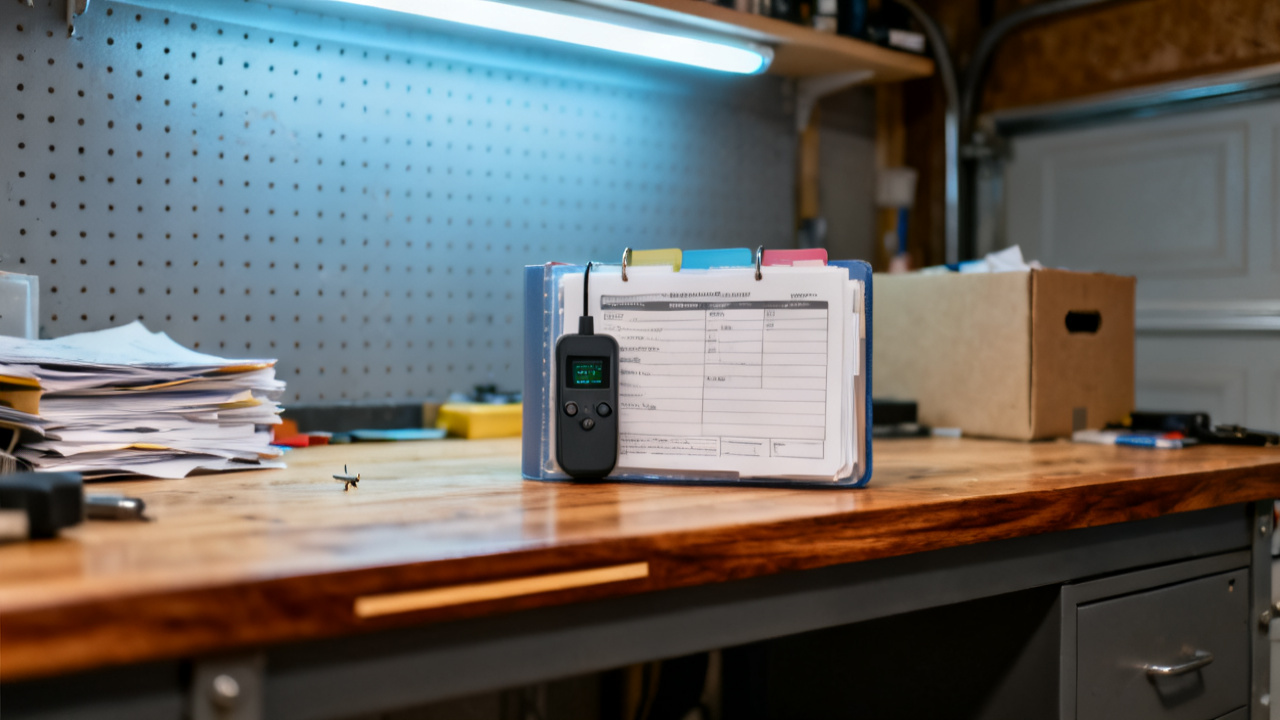
If you maintain physical copies of your trade records for audit purposes, follow these standardized steps to organize same-day two-row sheets for quick retrieval and verification. First, print each single sheet containing a same-day two-row pair, and attach the corresponding buy and sell confirmation receipts to the back of the sheet, with confirmation numbers, transaction timestamps, and total amounts visible when the folder is opened. Use a single staple in the top left corner to attach confirmations to the sheet, so they do not separate during storage or transport. Second, label the front of the dedicated same-day trade file folder for the month with the first and last date of the trading month, the asset class, and the range of Same-Day Pair IDs included in the folder (e.g. “04/2024 Crypto SD-041224-001 to SD-043024-017”). Use bold, large-print labels for the folder spine as well, so you can locate the correct folder without removing it from the filing cabinet. Third, place all same-day trade folders behind the general monthly trade record folder for the same month, so auditors can easily locate same-day activity separately from longer holding period trades without sorting through all monthly entries. Fourth, add a single sheet index to the front of each same-day trade folder that lists all Pair IDs, transaction timestamps, and total gain/loss for each pair, to speed up cross-reference with monthly tax summary reports. Physical records should be stored in a fire-resistant filing cabinet for a minimum of 7 years per standard tax record retention requirements in most U.S. jurisdictions.
Processing cover note fields required to validate same-day trade pairs
If you are submitting same-day trade records to a tax preparer or third-party record processor, you must include a completed processing cover note with your batch of two-row sheets to avoid processing delays. The cover note must include the following required fields, with no missing or redacted information: 1. Preparer full name and contact information, including phone number and email address, to enable follow-up if entry discrepancies are identified. 2. Total number of same-day pairs included in the batch, to cross-check against the number of two-row sheets submitted. 3. Aggregate total of all gains and losses from the batch, to reconcile against the sum of individual pair gain/loss entries. 4. Account name and account number for the trading platform the trades were executed on, to match entries to official account statements. 5. Attestation that all entries match corresponding exchange confirmations, signed and dated by the preparer. Incomplete cover notes will be returned for revision before processing, to avoid errors in your annual tax reporting or record reconciliation. You can request a standard cover note template from your tax preparer to ensure all required fields are included with every submission.
Monthly review schedule checkpoints for two-row same-day sheet accuracy
Following a consistent monthly review schedule reduces the risk of errors being carried over to your annual tax filings, and minimizes the time required to resolve discrepancies if they are identified. Schedule the following four checkpoints each month to validate your same-day two-row sheet entries: First checkpoint, 3rd business day of the following month: Pull all exchange confirmations for the prior month’s same-day trades and cross-check each against the corresponding two-row sheet entries to verify timestamp, quantity, and price values match official records. Illustrative example: If you have 12 same-day trade pairs in October, this checkpoint should take approximately 30 minutes to complete if entries were logged in real time. Second checkpoint, 5th business day of the following month: Cross-reference the sum of all same-day pair gain/loss values against the platform’s official monthly tax summary report to identify any mismatches that may be caused by fee calculation differences or rounding errors. Third checkpoint, 7th business day of the following month: Confirm all physical and digital same-day trade records are filed in the correct monthly folder, and update your annual record tracking log to note that the month’s same-day entries are fully validated. Fourth checkpoint, 10th business day of the following month: Flag any same-day pairs with holding periods of less than 1 hour for a secondary review to ensure they were not accidental duplicate trades or incorrectly logged cross-asset transactions, which can trigger unnecessary reporting flags during IRS processing.
Before logging your next same-day trade entry, download and print a free two-row sheet template from your tax preparer’s resource library to ensure you follow consistent formatting for all upcoming pairs.